- HOMEWelcome
- DIRECTORATE FOR EU AFFAIRSStructure
- E.U.Structure
- TÜRKİYE-EU RELATIONS
- History of Türkiye- EU Relations
- Main Documents
- Agreements
- Protocols
- Accession Partnership Documents
- National Programmes for the Adoption of the Acquis (NPAA)
- Türkiye Reports Prepared by the European Commission
- Enlargement Strategy Papers
- Türkiye’s National Action Plan for the EU Accession
- Türkiye’s National Action Plan for the EU Accession (2021-2023)
- Association Council Decisions
- Documents on Türkiye-EU Summits
- Institutional Structure
- Customs Union
- Türkiye- EU High Level Dialogue Meetings
- DATASources
- MEDIANews
- CONTACTContact Us


 Updated: 29/07/2026


Directorate of EU Affairs Delegation’s visit to Skopje
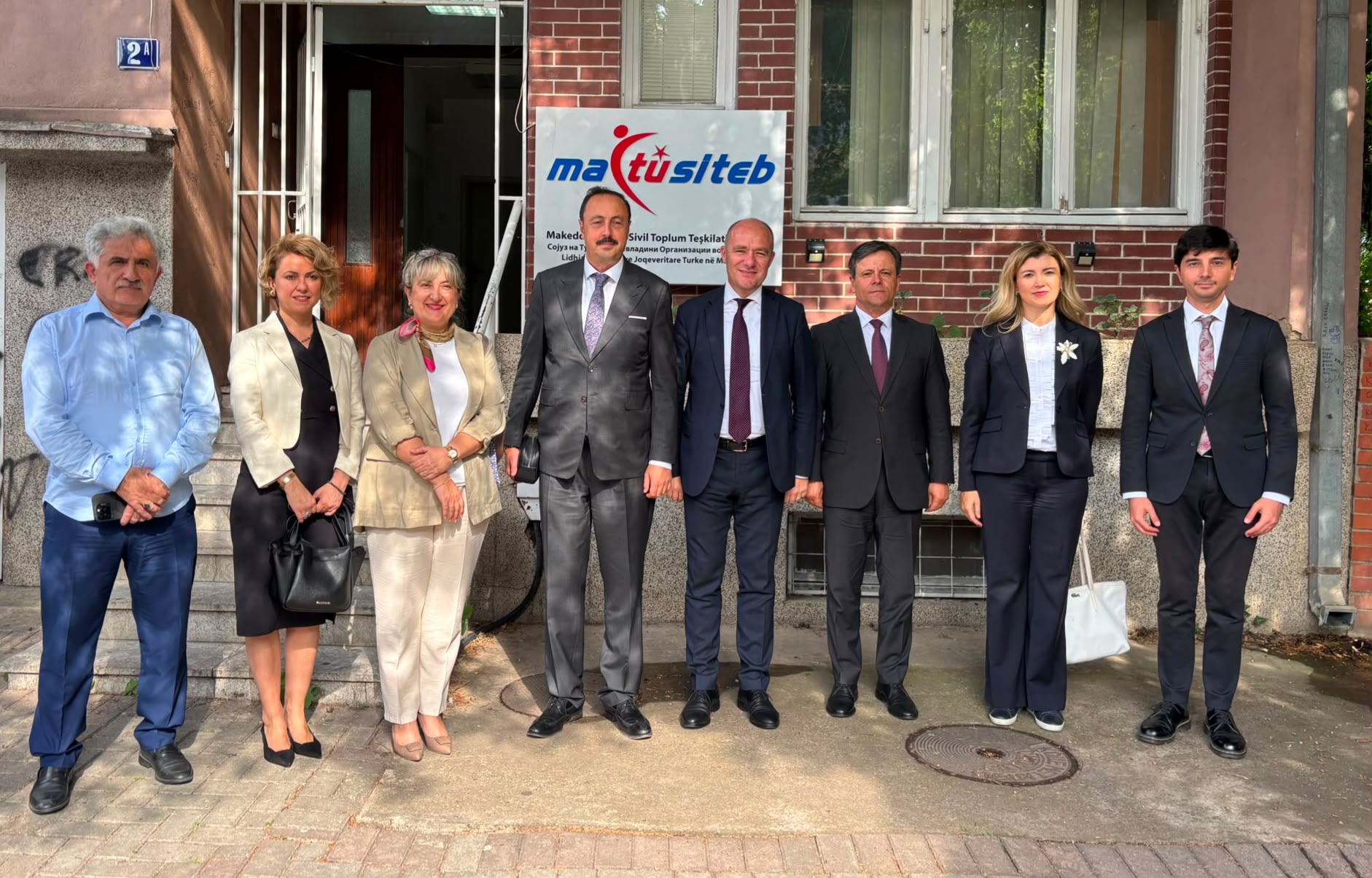
A delegation headed by Mr. Bülent Özcan, Director General for Financial Cooperation and Project Implementation, paid a working visit to Skopje, the capital of North Macedonia, where it held a series of meetings and organised a training session.
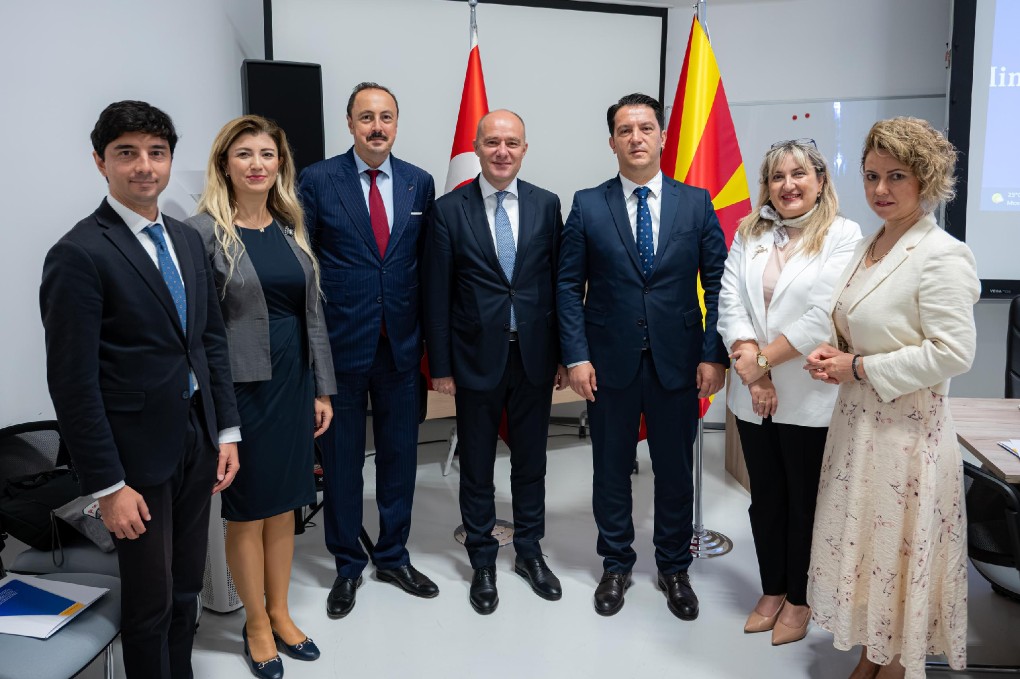
As part of the visit, the delegation visited the Embassy of the Republic of Türkiye in Skopje, the Union of Turkish NGOs in Macedonia (MATÜSİTEB), the Yunus Emre Institute and the International Balkan University, and held discussions on how the Turkish community in North Macedonia could benefit more effectively from EU funds.
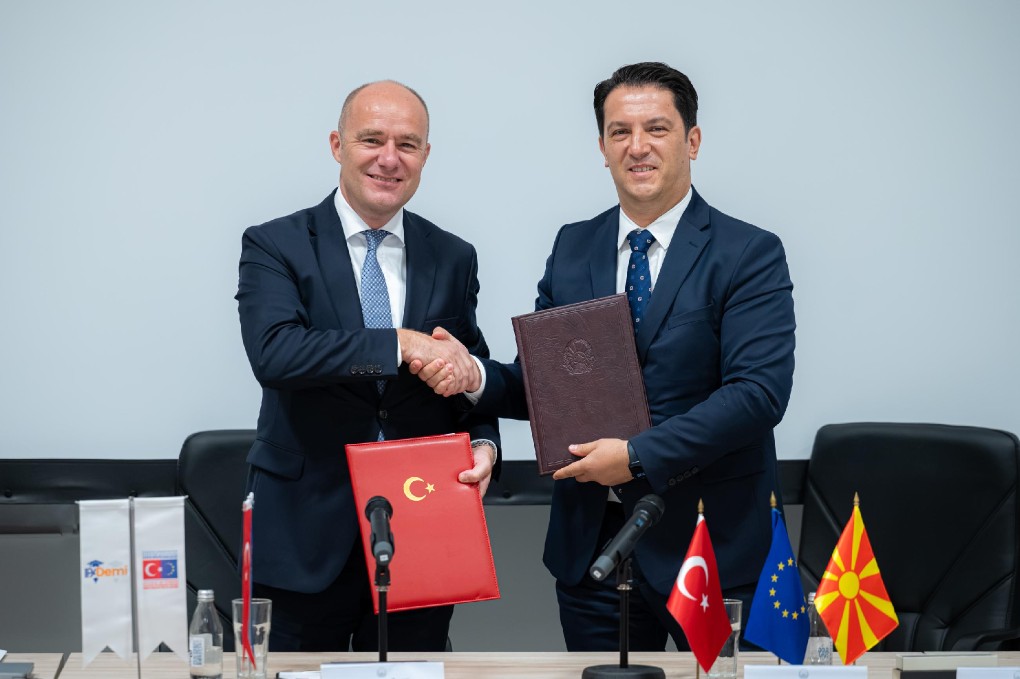
On the second day of the visit, Director General Özcan and Mr. Bekim Sali, Minister for European Affairs of North Macedonia, signed a Memorandum of Understanding under the “IPABridge” capacity-building initiative, which aims to enable North Macedonia to benefit more effectively from EU funds. While Minister Sali highlighted the initiative’s contribution to the cooperation and friendly relations between the two countries, Director General Özcan emphasised the importance of the opportunities that EU funds can offer throughout the accession process.
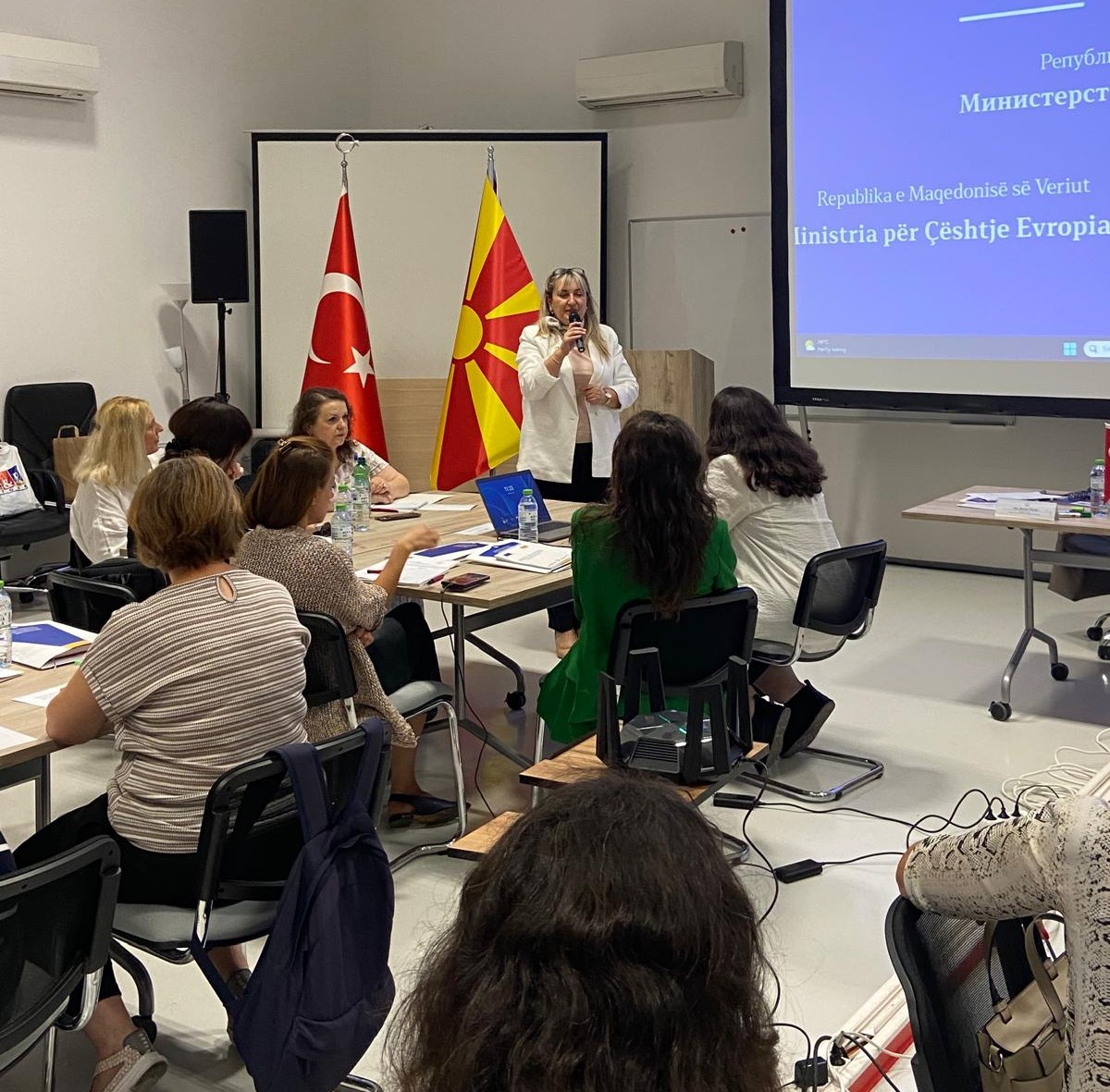
In line with the Memorandum of Understanding, the delegation provided North Macedonian public officials with information on opportunities related to EU funds and also delivered a four-day, practice-oriented Project Cycle Management Training to more than 40 public officials.
Other News
Updated: 29/07/2026 / Hit: 1,987